Alternative drive systems
What's the latest on CO₂ emissions?
There is one thing that the world of politics, society and industry can all agree on: we need to banish CO₂ emissions from our roads. However, the question as to whether there will be a single silver bullet to eliminate emissions for good remains open.
Battery-powered electric systems, fuel cells, hybrid drives, hydrogen power, synthetic or regenerative fuels...when it comes to decarbonising our roads, several different strategies are currently in the running and it may remain this way. After all, most OEMs – and most governments, too – have adopted an open stance when it comes to technology, perhaps signalling that multiple solutions may exist in parallel.
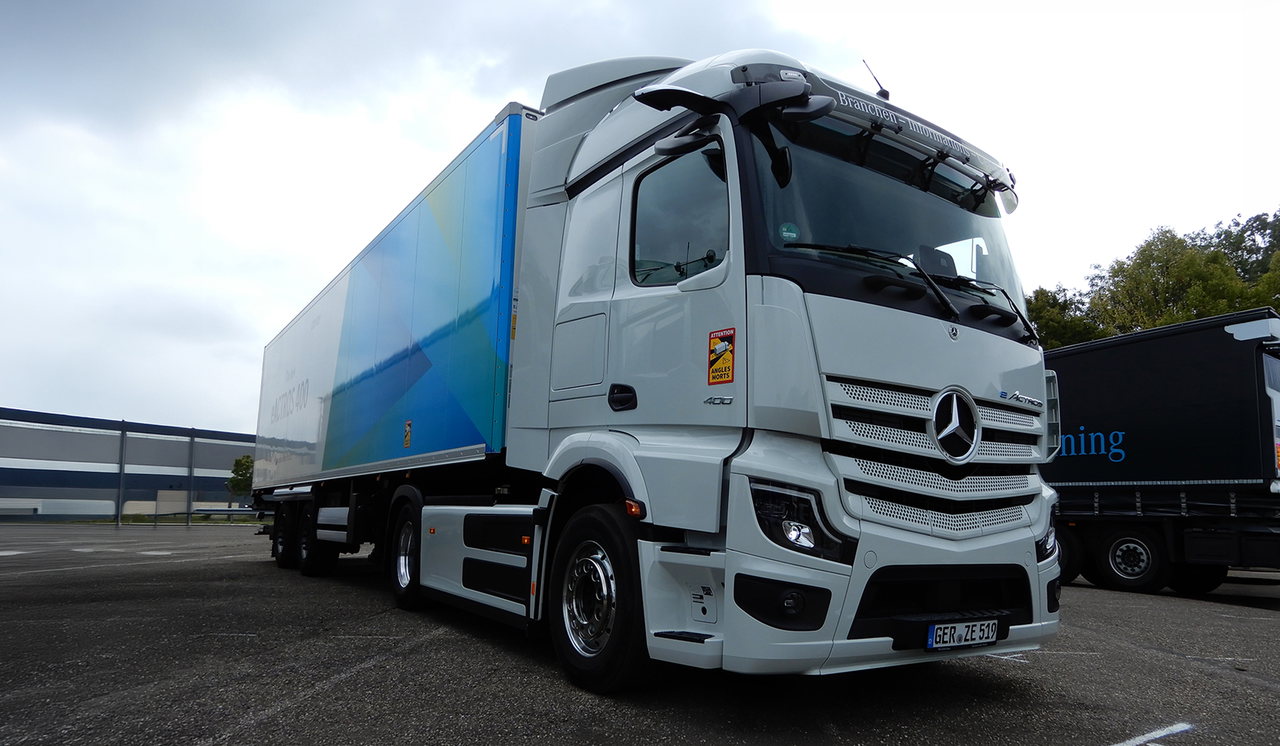
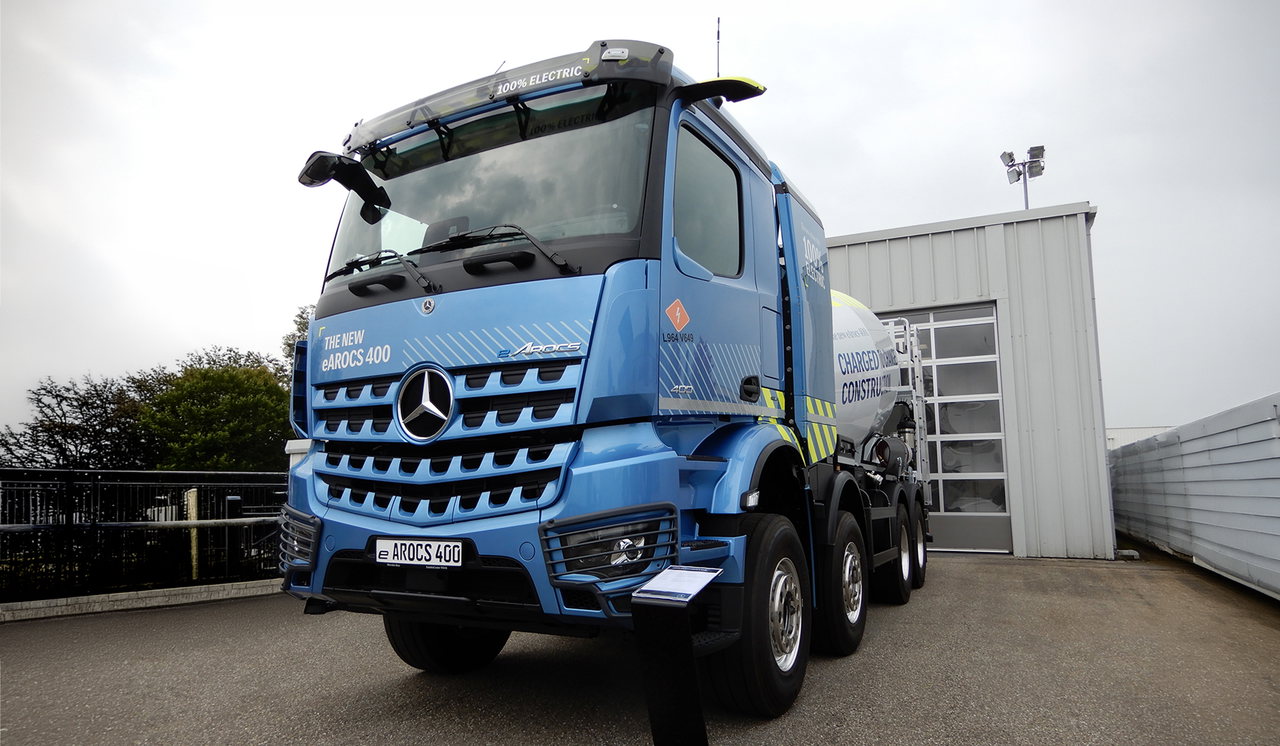
The latest e-truck from Daimler Truck: the Mercedes-Benz eActros 400 is the eActros 600’s new little brother.
To give just a few examples: DAF is a strong proponent of HVO (hydrotreated vegetable oil) made from waste products, while Daimler Truck is in the final stages of testing the Mercedes-Benz NextGenH2 fuel cells for trucks ahead of series production status. Almost all brands are working on a hydrogen-based approach. MAN has already launched its hydrogen-powered hTGX engine, Daimler and Volvo are testing prototypes, and Iveco is referring to its new XC13 six-cylinder engine as a multi-fuel engine (while also demonstrating the effectiveness of fuel cell technology in the S-eWay Fuel Cell). As an alternative to diesel, Iveco is currently relying predominantly on biomethane, with Scania and Volvo also sticking to this option – not quite so resolutely as the Italians, but still. Both Swedish manufacturers are also trialling drive systems based on fuel cells.
And in this brief summary, we haven’t even looked beyond what’s going on in Europe. Other companies around the world are working on hydrogen drive systems, too, including India’s largest manufacturer (and future owner of Iveco) Tata, Japanese industry giants Isuzu, Hino and Mitsubishi Fuso, and South Korea’s Hyundai (especially with its Hyundai Xcient Fuel Cell for trucks, which has garnered attention in Europe). Let’s not forget independent engine manufacturers like Cummins.
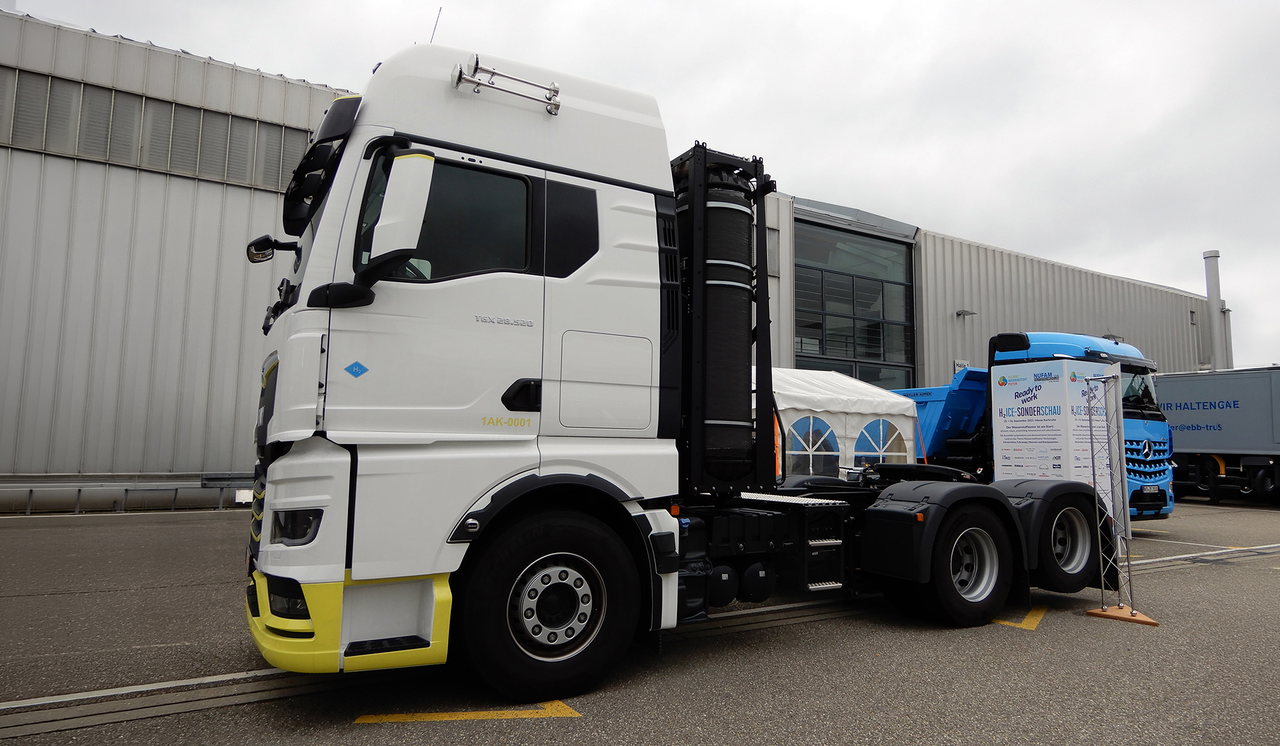
MAN has already launched a hydrogen-powered engine with the hTGX, while Daimler Truck is testing its own version with the blue Arocs tipper.
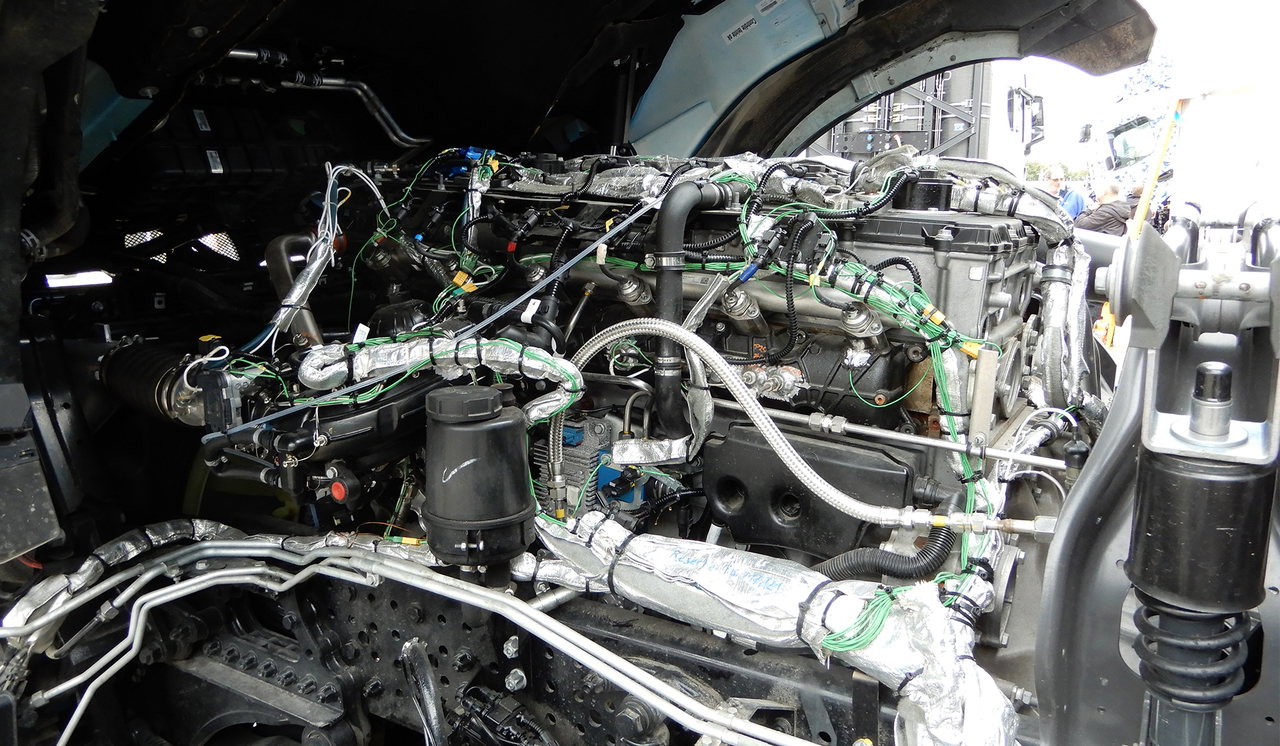
No diesel: Mercedes-Benz has converted this 15.6-litre OM 473 into a hydrogen-powered version.
Truck manufacturers have quietened down when it comes to hybrid technology, though ZF has made some advances here recently after unveiling its TraXon 2 Hybrid system at the 2024 IAA. The Friedrichshafen-based firm has already subjected it to extensive practical tests (installed in an Iveco S-Way) and are impressed by the results. The system can be used either as a full hybrid or plug-in hybrid, with both versions based on the TraXon 2 gearbox with an electric motor between the clutch and gearbox.
However, the general consensus is clear: battery-powered electrical systems will come out on top of all the alternatives, albeit with some hesitancy. The relevant figures from the European industry association ACEA are sobering. While the proportion of registered trucks weighing over 3.5 t, fitted with an electric drive increased from 2.3% to 4.2% between 2024 and 2025, this actually equates to just 13,000 vehicles in absolute figures, compared to the 286,500 registered trucks fitted with a diesel engine. On top of all this, it has been clear for a long time that not all EU countries are putting in the same amount of effort. According to the ACEA’s data, two-thirds of the 13,000 vehicles described above were registered in just three countries: Germany, France and the Netherlands.
Central drive systems and e-axle offer both pros and cons
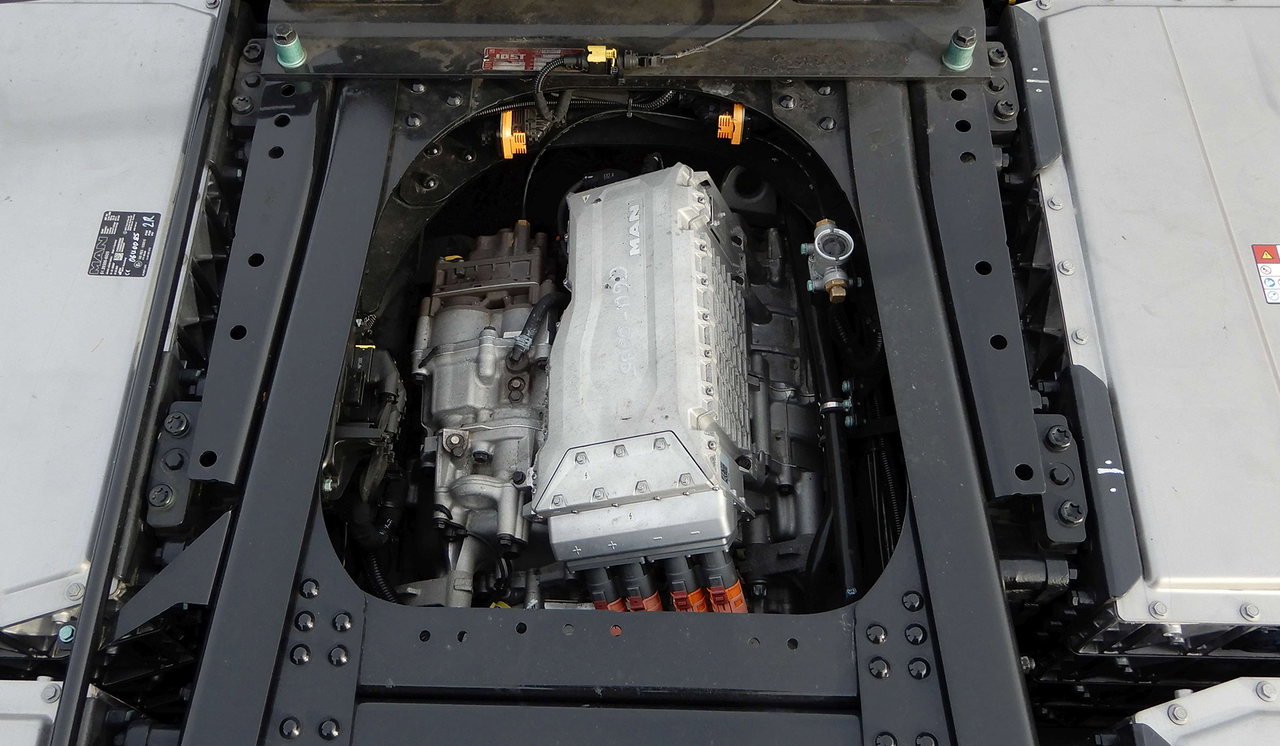
When it comes to technology, the contingent backing battery power is divided further into proponents of central drive systems with conventional rear axles and advocates for e-axles with built-in electric motors and gearboxes. Firm champions of the first option include DAF, MAN and Scania, while Iveco and Daimler Truck represent the second group. However, Stuttgart-based Daimler is taking a two-pronged approach, having construction vehicles with two powered axles – already a “niche within a niche” in the electric segment – built with a central drive system by its conversion partner Paul. In contrast, the Volvo Group is focusing predominantly on coupled electric drive systems at Volvo and Renault Trucks, though has recently launched an electric axle.
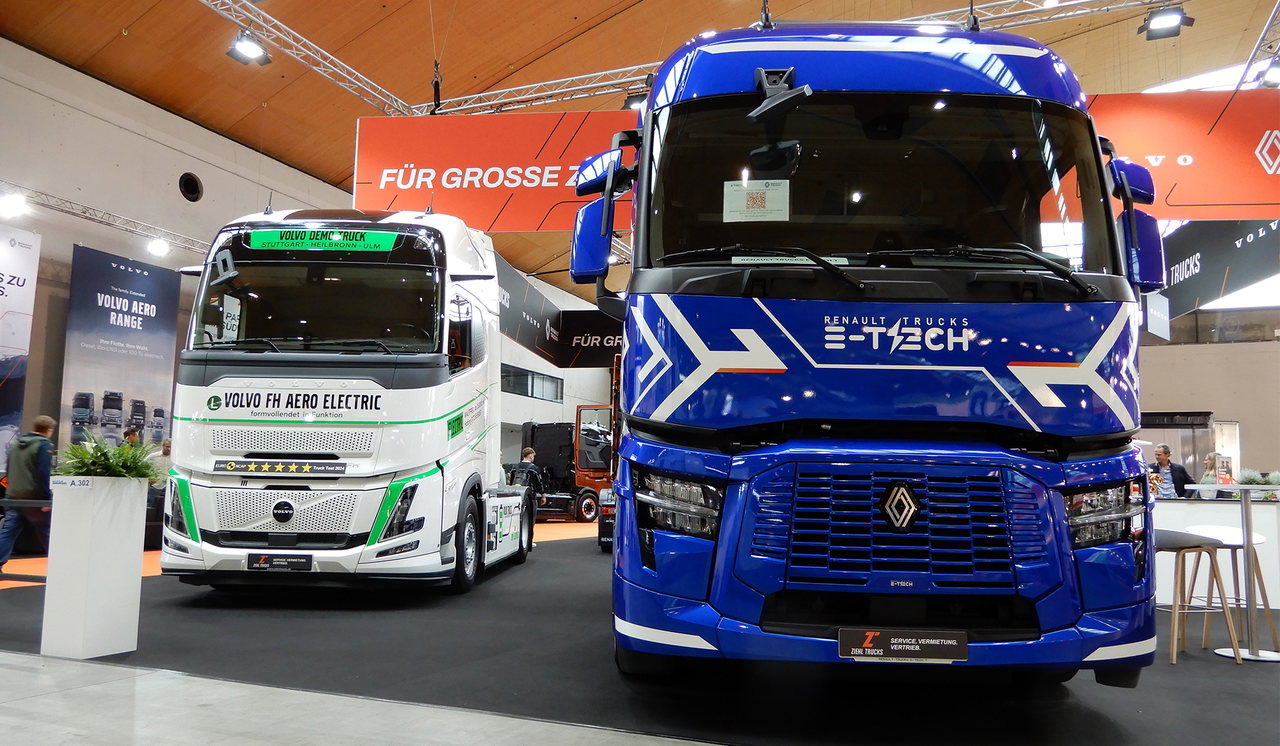
In addition to their D11 and D13 diesel engines, Volvo and Renault Trucks also share their electric drive technology.
The pros and cons of each option are clear. With a central drive system, you can transfer more components from the standard platform, such as tandem axles for heavy-duty construction vehicles. However, the traditional design with a drive shaft restricts the space for installing more batteries, more overall capacity, and ultimately more range.
This is precisely where an e-axle’s strengths lie, by offering space for additional battery modules between the I-beams. However, the load distribution between the axles can be problematic here. After all, an e-axle easily weighs twice as much as a conventional, single-reduction drive axle, regardless of who the manufacturer is. In light of this fact, the Volvo Group is initially only offering its in-house e-axle in 6x2 tractor units with a steerable and liftable tag axle.
While compatible Volvo FH Electric and Renault Trucks E-Tech T models come with a maximum battery capacity of 780 kWh, anyone in need of a high payload won’t really want to add yet another axle on top of the already heavy batteries. However, legislators may make up for this by granting a higher weight bonus, which tends to be an extra two tonnes in the EU. In other words, these trucks are allowed a total articulated weight of 42 t instead of 40 t.
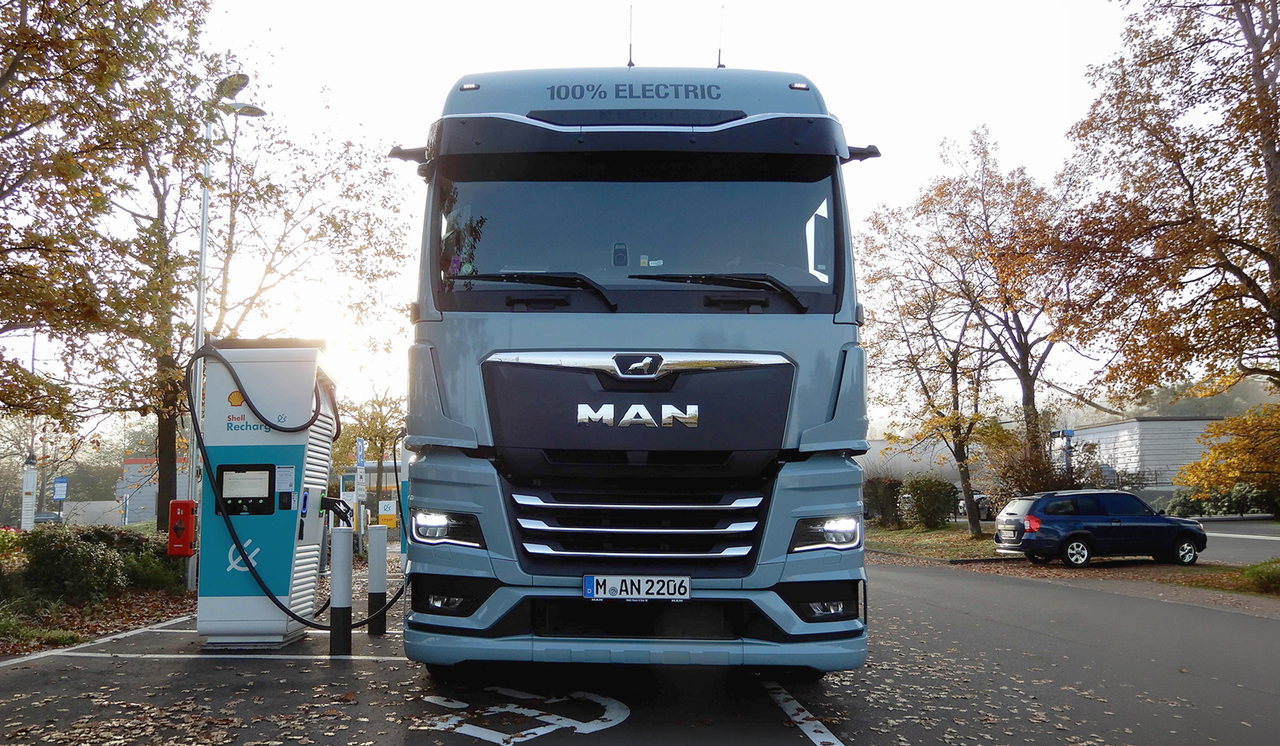
At many service and charging stations, the majority of the charging stations are installed with electric cars in mind. Tractor units like the MAN eTGX have to uncouple before they can reach these stations.
A total permissible weight of 48 t – which is technically feasible with Volvo’s 6x2 tractor units – could remain a pipedream in most European countries (apart from, perhaps, Scandinavia, where they are more generous with weight). At the moment, politicians are not budging when it comes to raising the weight allowance from 44 t to 46 t in combined transport either. Nevertheless, discussions are still ongoing. One effective way of counteracting an overloaded rear axle is by shifting the trailer axles forwards. The freight forwarder Spedition Nuss is demonstrating how this works in practice with its PerformanceEco semi-trailers from Berger.
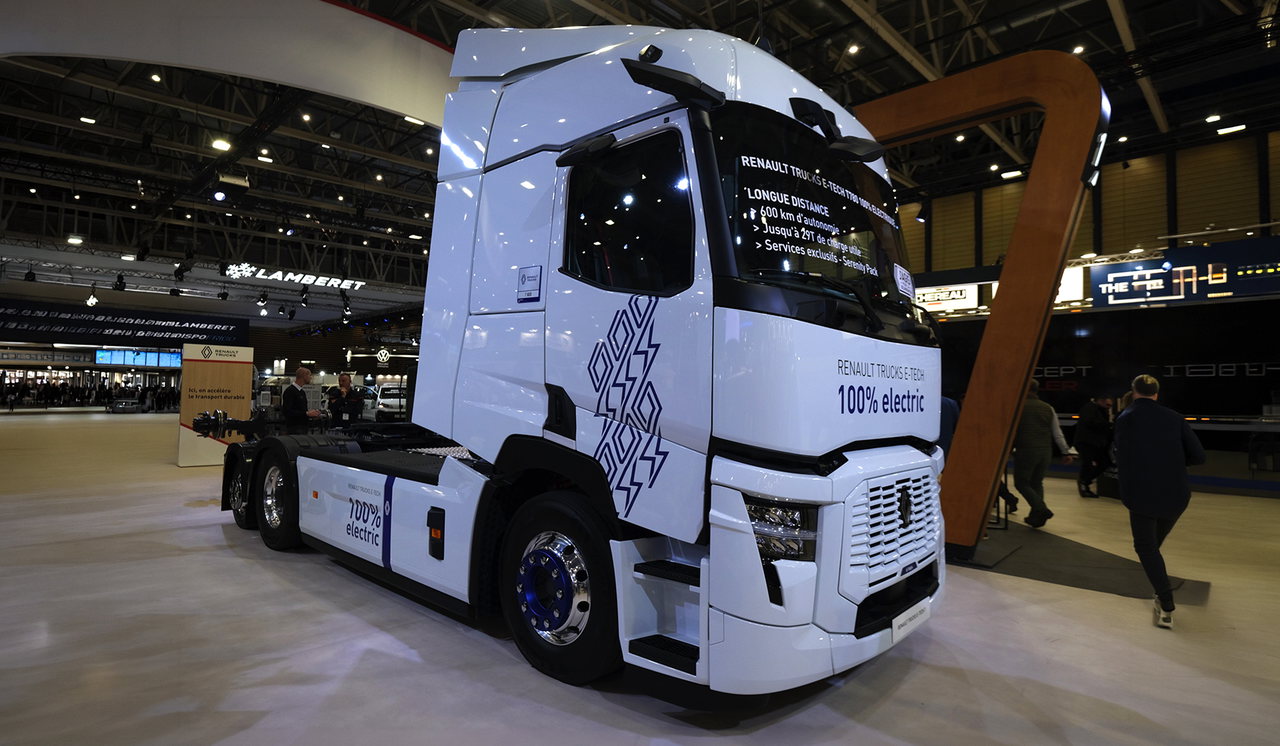
Renault Trucks showcased the E-Tech T with an e-axle for the first time at the 2025 Solutrans – only available as a 6x2 unit with a steerable and liftable tag axle.
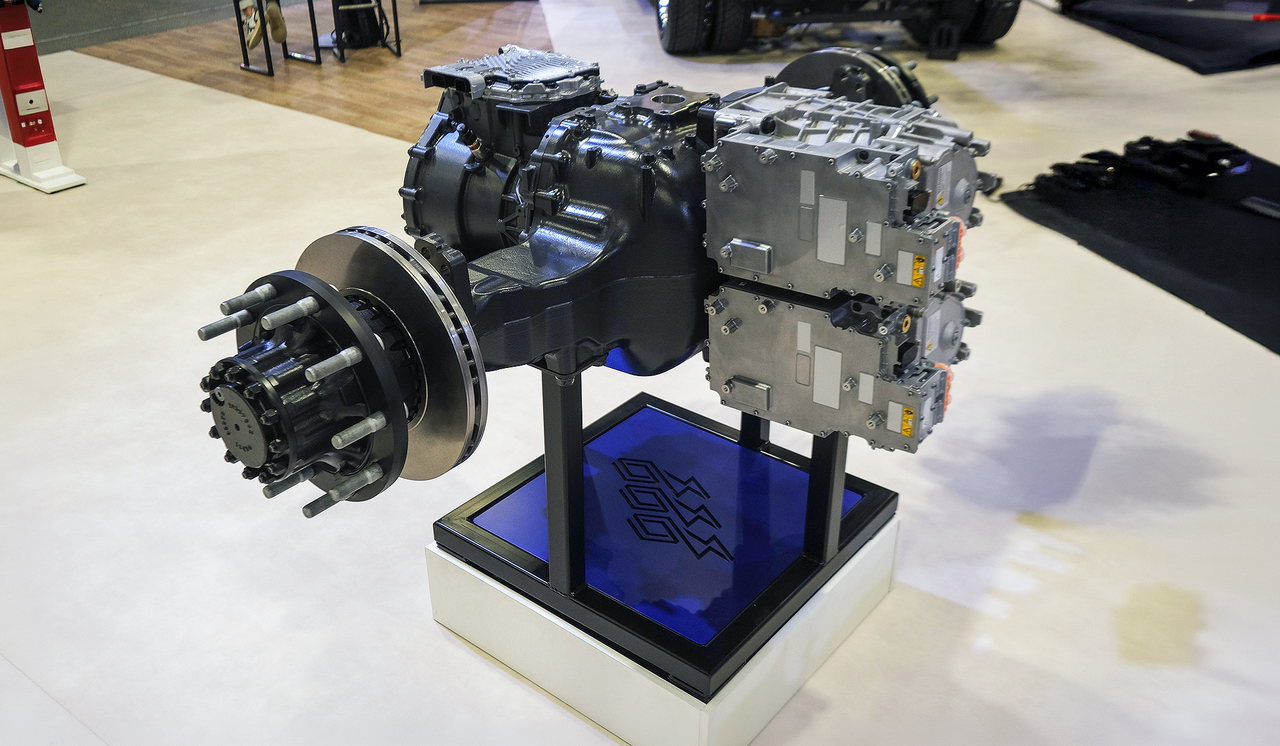
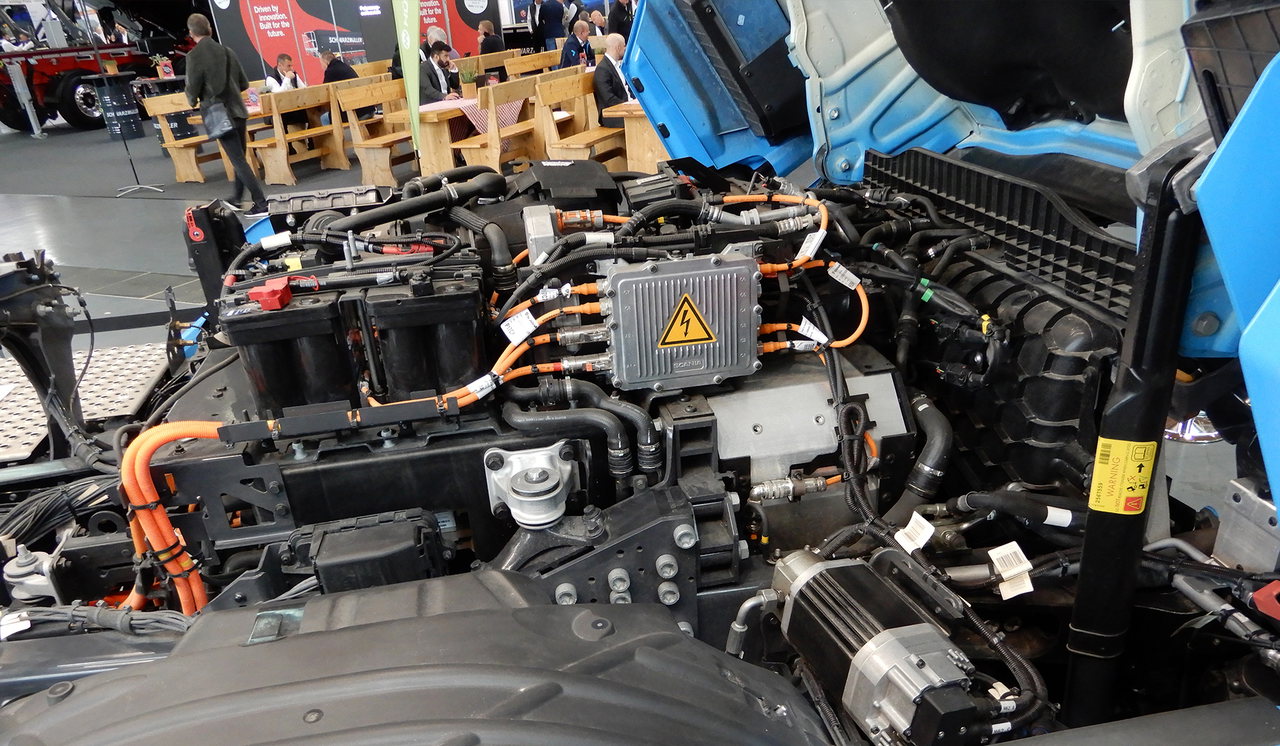
The electric motors and gearboxes are integrated into the e-axle (shown here as the Volvo and Renault Trucks version).
Intricate solutions, both different and the same
One controversial issue is the question as to how continuous braking power can be ensured in electric trucks. It is more than feasible that – if the battery is fully charged – no recuperated energy can be fed back into the battery, leaving the driver to rely solely on the operating brakes when travelling downhill. For this reason, Daimler Truck, Iveco and DAF equip their trucks with braking resistor hardware with its own separate refrigeration circuit (essentially an extra-large immersion heater that converts excess energy into heat), while the two pairs of sister companies, MAN and Scania, and Volvo and Renault, have opted for a sufficient battery buffer combined with intelligent charging management. Obviously, both options are permitted.
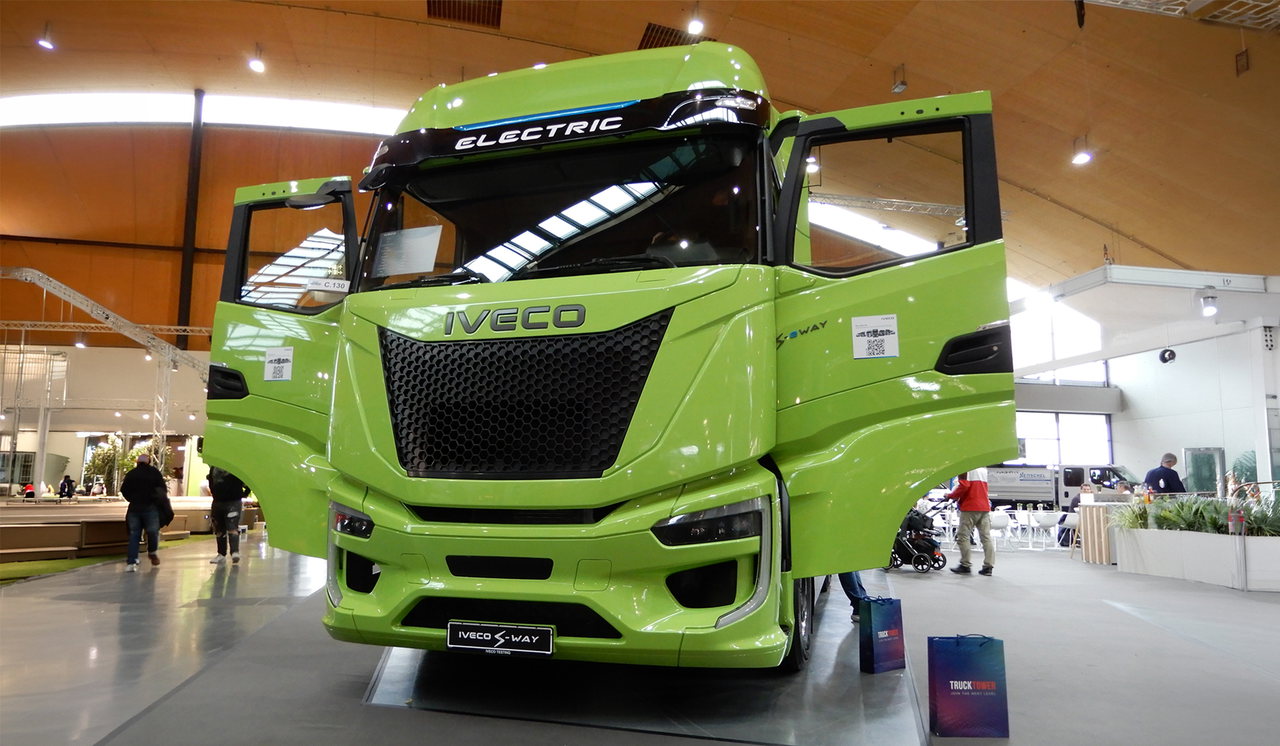
The latest version of the Iveco S-eWay is stepping onto the scene with a redesigned, aerodynamically curved front.
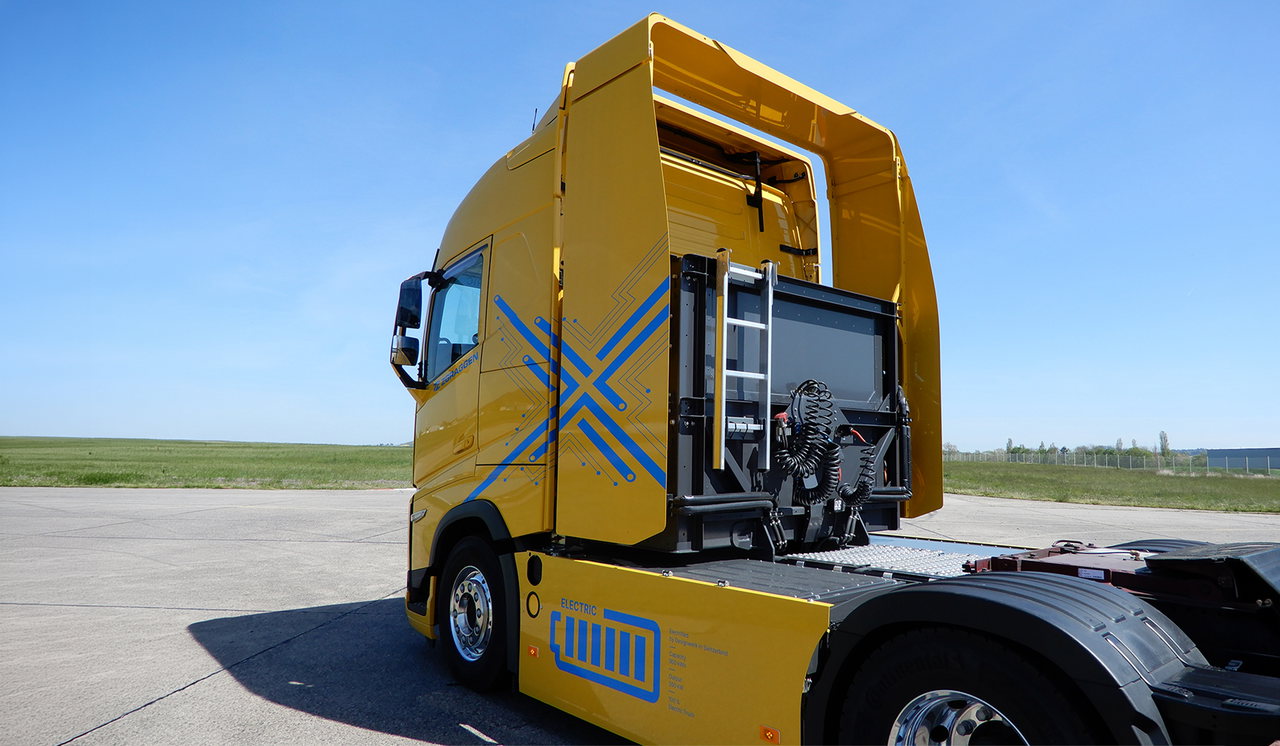
With additional battery packs on the rear wall, this custom product from the Swiss manufacturer Designwerk delivers an impressive 900 kWh.
There is one matter manufacturers can agree on: electrical, electro-mechanical or mechanical power take-offs are available as an option for almost all electric vehicles these days. In addition to the classic applications, such as those on tipper trailers, they also offer other possibilities. In refrigerated trucks, electrical cooling units are a good option, either combined with an e-axle in the trailer chassis, or an ePTO-ready cooling unit, which can run on diesel or electricity depending on the tractor unit. The latter option for example, which is still relatively new, has already been used at Tevex Logistics.
Battery replacement as a realistic option
While discussions about range are currently focused primarily on the amount of battery capacity installed, an extensive megawatt charging network could trigger a change in stance. With charging power of 750 kW or more, batteries can be fully recharged ready for the long-haul, even during a quick pitstop. Admittedly, the word “extensive” cannot really be used to describe the charging network at this point in time. Another interesting solution that could make its way over from China to Europe are battery replacement stations: The e-truck parks up and, quick as a flash, robotic arms swap the flat batteries for fully charged ones, without the driver even having to get out of the vehicle.
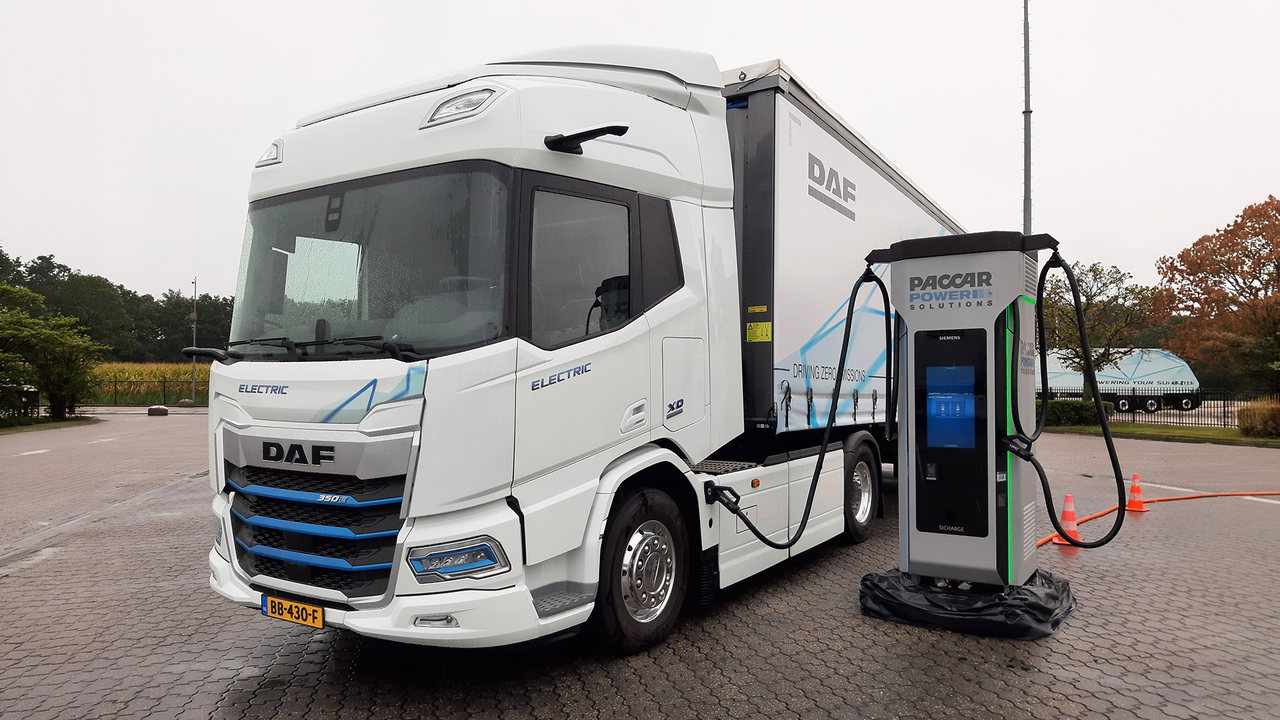
All manufacturers are also offering to support the expansion of their own private or semi-public charging infrastructure.
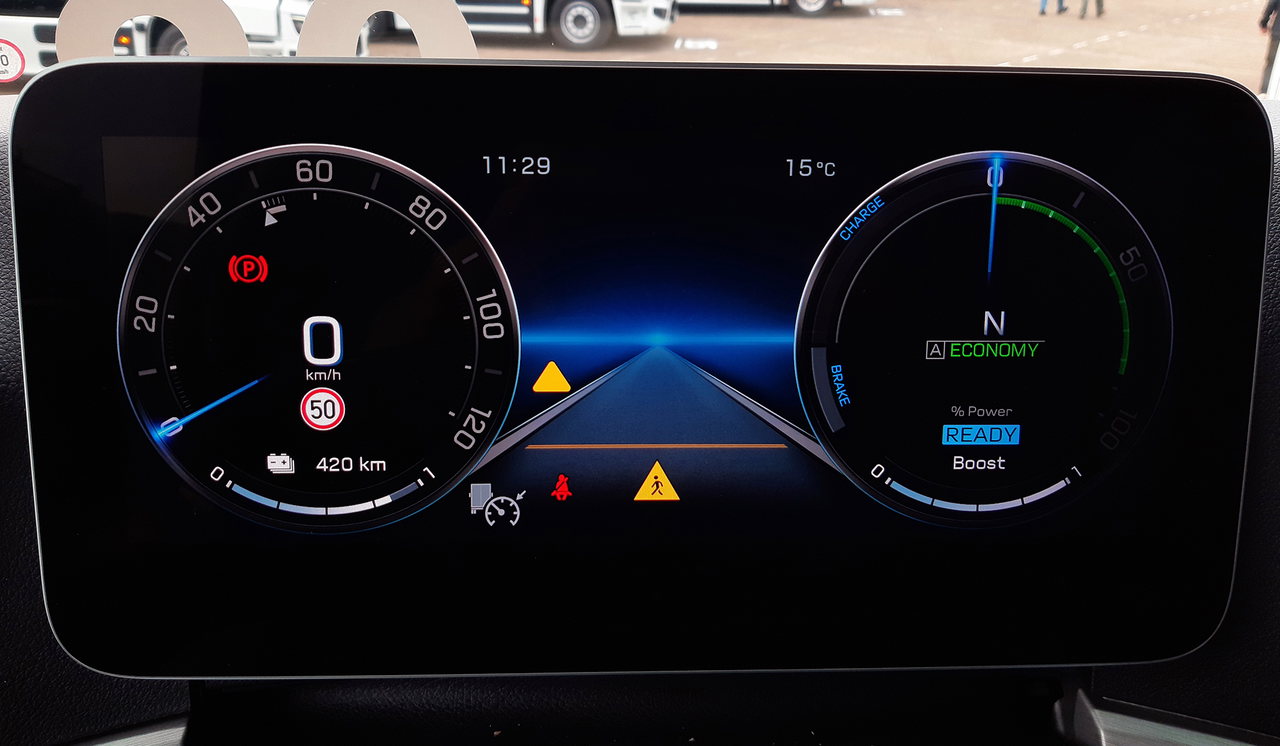
In terms of the instruments used in electric trucks, the focus is on energy consumption and recuperation displays, shown here using the Mercedes-Benz eActros as an example.
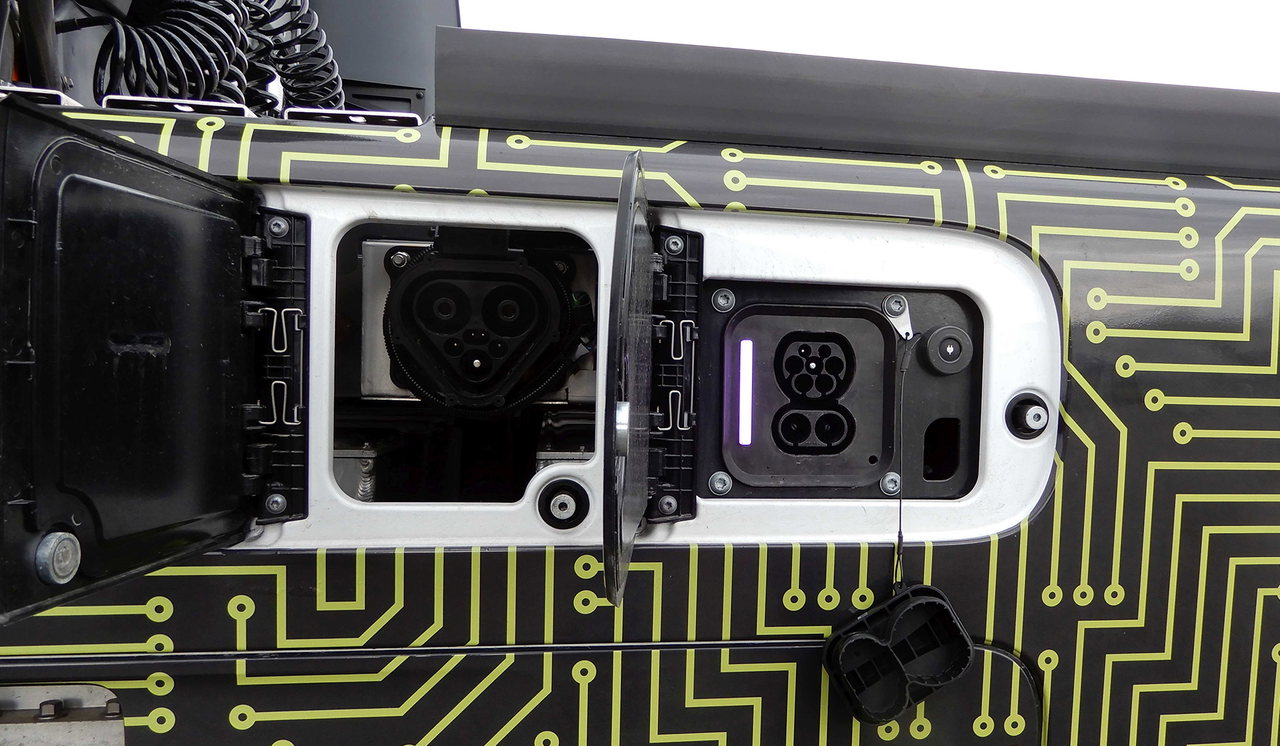
Manufacturers like Daimler Truck offer both CCS and MCS charging sockets for their heavy e-trucks.
In Germany, Berlin Technical University tested a system like this in real-life operations stretching across two years, working with two freight forwarding partners, and presented its results in January 2026. To sum up the results of the eHaul project, which was funded by the German government, changing the battery in a heavy European e-truck is feasible and can be achieved in just a few minutes. What’s more, this concept offers the benefit of relieving strain on the charging network as the replacement batteries can be pre-charged at the optimum time.
It’s not expected to be a short-lived idea either. As part of the follow-up project UniSwapHD, researchers are working with representatives from the automotive industry and logistics to create an industrial standard for battery replacement systems. At the same time, the outcomes from the project work and test phase are due to be incorporated into a replacement system 2.0, which the newly created E-Haul GmbH (a spin-off of Berlin Technical University) is planning to unveil before 2026 is out. The time envisioned for a battery swap? Less than five minutes. Find out more about the topic here.
Video material: Daimler Truck AG
More images on this subject