Autonomous driving
AI on the rise – even driving autonomously on the roads
Artificial intelligence is increasingly becoming a key factor in the transport and logistics sector. A breakthrough in the field of autonomous driving also appears to be on the horizon.
The rise of AI seems unstoppable. Even though a number of high-profile experts have recently called for a coordinated slowdown in its development, artificial intelligence is making inroads into more and more sectors. The transport and logistics sector is no exception – quite the contrary: whether it be route planning, autonomous systems in warehouse logistics, stock forecasting or process optimisation using AI-supported transport management – such solutions are no longer the stuff of science fiction, but a reality. A recent example is the AI-powered service assistant DR. COOL, which Schmitz Cargobull has developed to support maintenance and repair work.
On the vehicle side, there are many further areas of application, ranging from software-defined vehicle platforms and on-board diagnostic systems for predictive maintenance, through advanced driver and safety assistance systems and AI-supported driving style analyses, right up to the pinnacle: autonomous driving.
In this ‘supreme discipline’, efforts are focused on ‘Level 4’ autonomous driving (fully autonomous; Level 5 would represent the ultimate goal, starting from Level 0, which involves no automation whatsoever). According to the commonly accepted definition, Level 4 means: without the need for a driver to be on standby, or even completely driverless, under defined conditions; in long-distance transport, this typically involves fixed routes. The latter does not represent an excessive restriction for commercial applications, as there are plenty of fixed-route services.
Progress is being made on the legal framework for autonomous transport
Germany was the first country in the world to establish the legal framework for “autonomous vehicles (Level 4) operating within defined areas on public roads under normal operating conditions”. The Autonomous Driving Act came into force on 28 July 2021 and covers a wide range of operational scenarios, including shuttle services, regular bus services, hub-to-hub services and first- and last-mile transport.
At the time, the Federal Ministry of Transport explicitly stated: “The law on autonomous driving is an interim solution until harmonised regulations are in place at international level.” This now appears to be taking shape, as in June 2026 the United Nations Economic Commission for Europe (UNECE) adopted the first global framework to legally enable fully autonomous driving systems (ADS). The regulation stipulates safety management systems, reliable testing, the validation of safety evidence and continuous monitoring during operation. The regulation also requires that the performance of the ADS must be equivalent to or superior to that of a competent human driver. The US, China, the EU, Japan, Canada and the UK support the framework, thereby accelerating its global roll-out.
Another important step was taken at European level in June. At the meeting of the EU Transport Council in Luxembourg on 8 June, a total of 17 Member States signed a memorandum of understanding setting out uniform rules for cross-border autonomous transport. Public transport and freight transport are envisaged as use cases. The aim is to develop uniform European standards for technology, safety and infrastructure, including the harmonisation of relevant national and European regulations.
On 31 August, the Federal Ministry of Transport followed this up with a call for funding proposals, aimed in particular at facilitating investment in buses and trucks with autonomous driving capabilities. At 14 million euros, the funding pot is not particularly substantial, but at least the issue remains on the agenda.
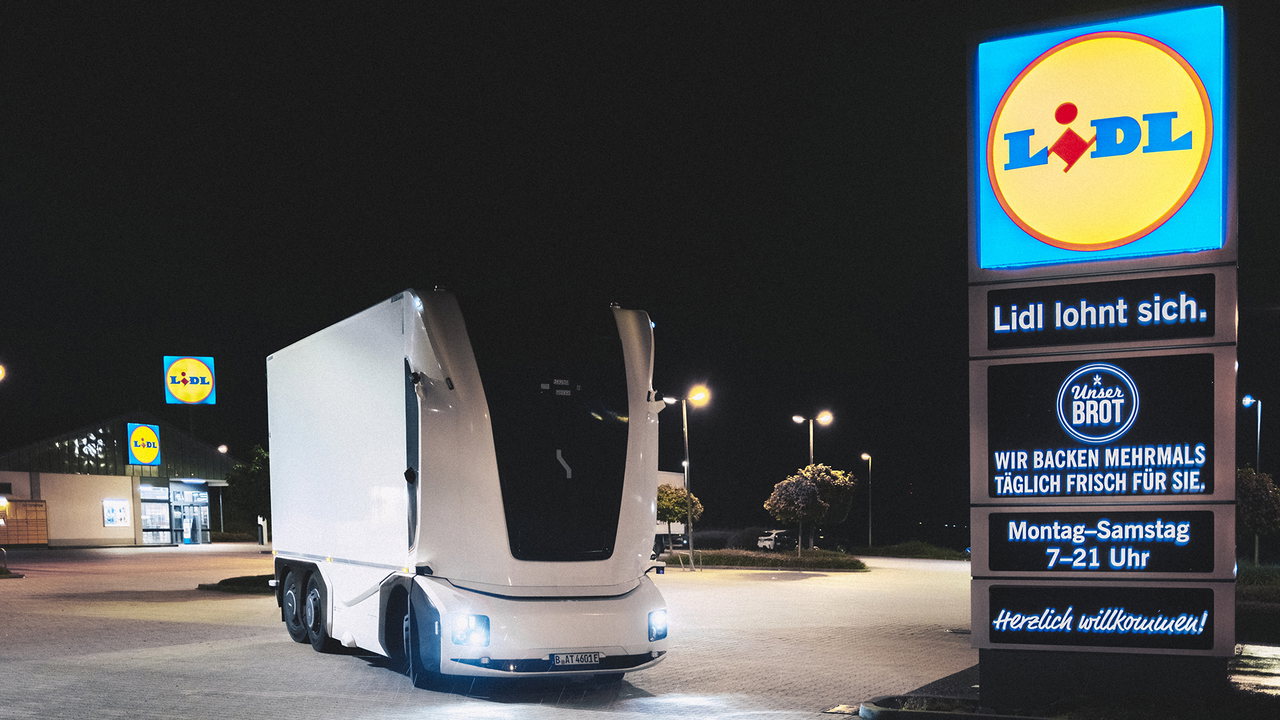
The first autonomous, cabless electric delivery truck from Einride and Lidl caused a stir in September 2026.
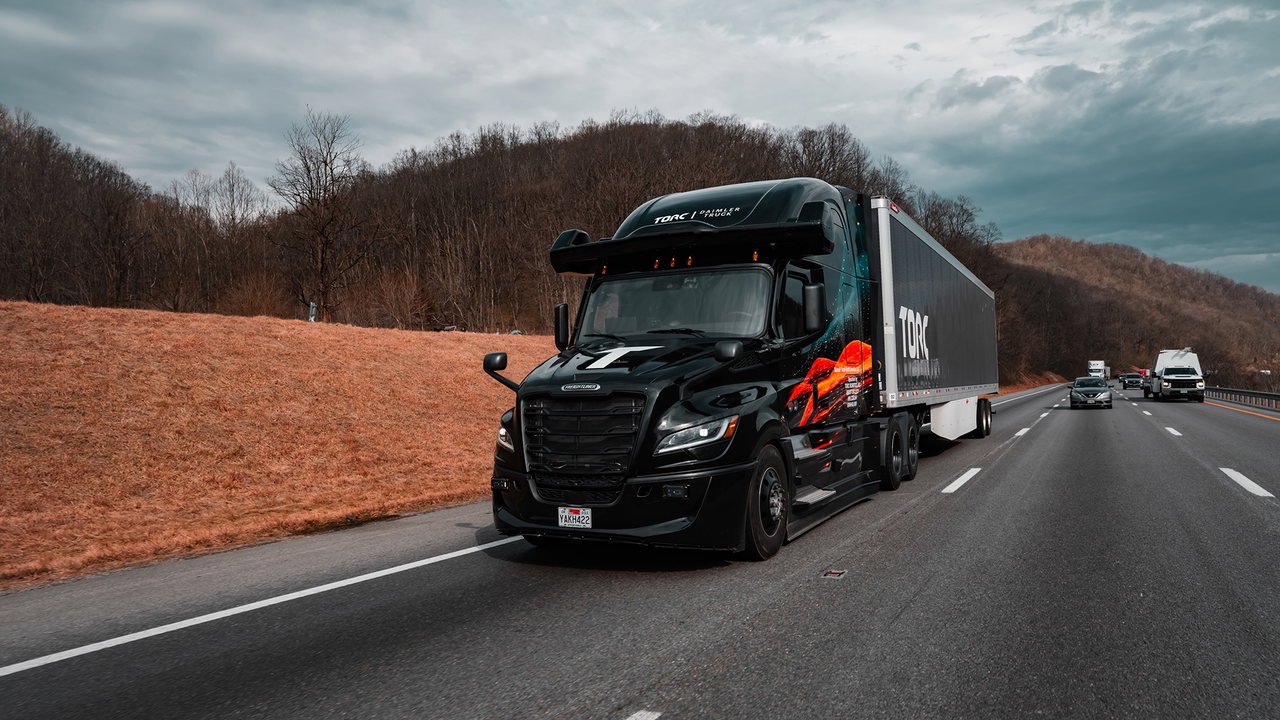
For the time being, Daimler Truck, through its subsidiary Torc Robotics, is focusing on autonomous driving in long-haul transport in the US.
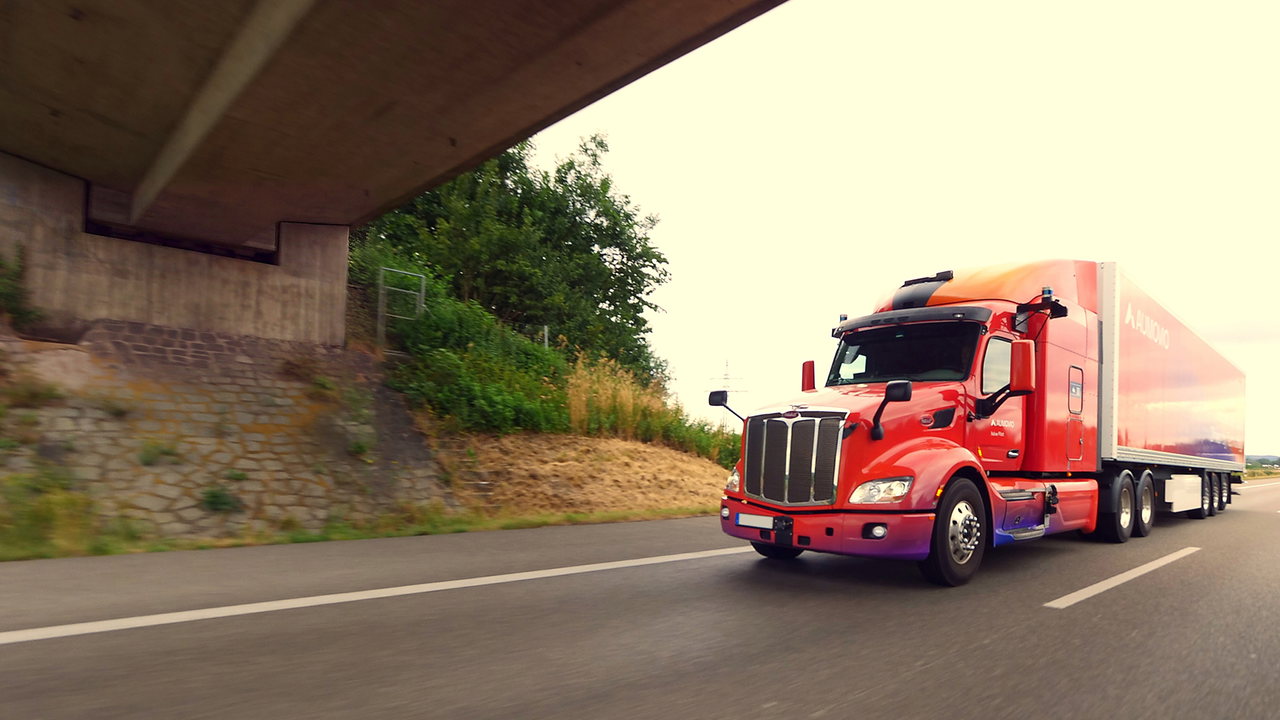
Supplier Aumovio supplies the US autonomous driving technology developer Aurora with modular hardware kits.
Highly complex technology, numerous stakeholders
Broadly speaking, behind an autonomous truck lies a seamless sequence of perception, understanding, planning and action, all underpinned by redundant technology. The basic framework consists of camera, radar and lidar systems, satellite- and map-based positioning, and fail-safe drive-by-wire actuators for steering, braking and the powertrain. Added to this is an inertial measurement unit for acceleration and angular velocity, as well as other vehicle sensors, such as those for wheel speed and steering angle. All data is processed by a central high-performance computer (usually configured in duplicate) with specialised AI chips for the autonomous driving software. Other key components include a connection to a control centre for remote monitoring and cyber-security systems.
There are now a number of specialists in highly complex autonomous driving technology, particularly in North America, Asia and Europe. Well-known names include Aurora, Gatik, Kodiak, Plus and the Daimler Truck subsidiary Torc (all in the US), Waabi (Canada), Inceptio (China), Tier IV (Japan), Minus Zero (India) and Einride (Sweden). In addition, almost all truck manufacturers are working on this topic within their own development divisions, alongside tech suppliers such as Aumovio, Bosch and ZF, which provide the necessary hardware platforms.
As for Daimler Truck and its subsidiary Torc Robotics: the Stuttgart-based company is driving this initiative forward on a massive scale, with a focus on long-haul transport in the US – trials currently underway are set to be followed by the first commercial applications as early as 2027, with scaling up planned from 2028.
At the end of August 2026, DAF announced that it was working with Einride on Level 4 autonomous electric trucks. The project is based on the Dutch company’s heavy-duty electric truck ranges, combined with the ‘Einride Driver’ autonomous driving system. Einride, for its part, caused a stir in September 2026 with its first autonomous electric truck for the German retail chain Lidl: With approval from the Federal Motor Transport Authority (the first of its kind in Germany), the cabless three-axle vehicle is permitted to transport goods driverless on public roads from a local distribution centre to a nearby Lidl branch.
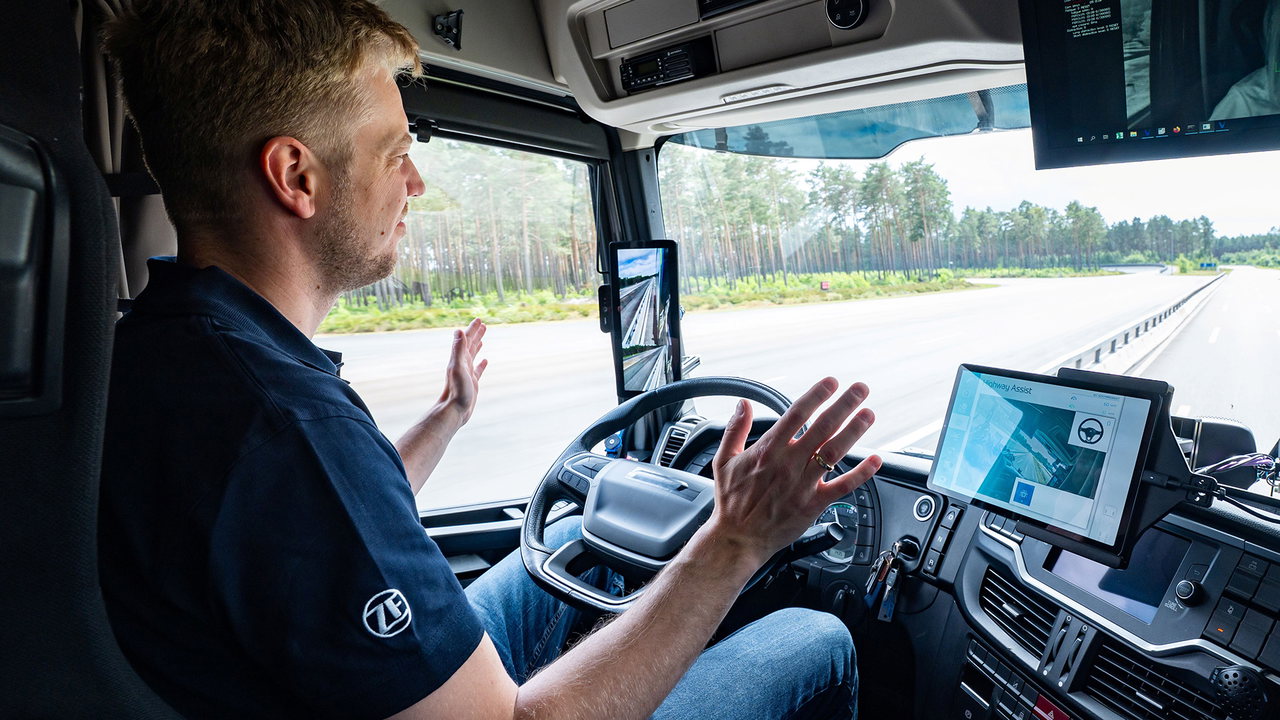
ZF is adapting its current sensor technologies for higher levels of automation and is focusing on a scalable ADAS architecture.
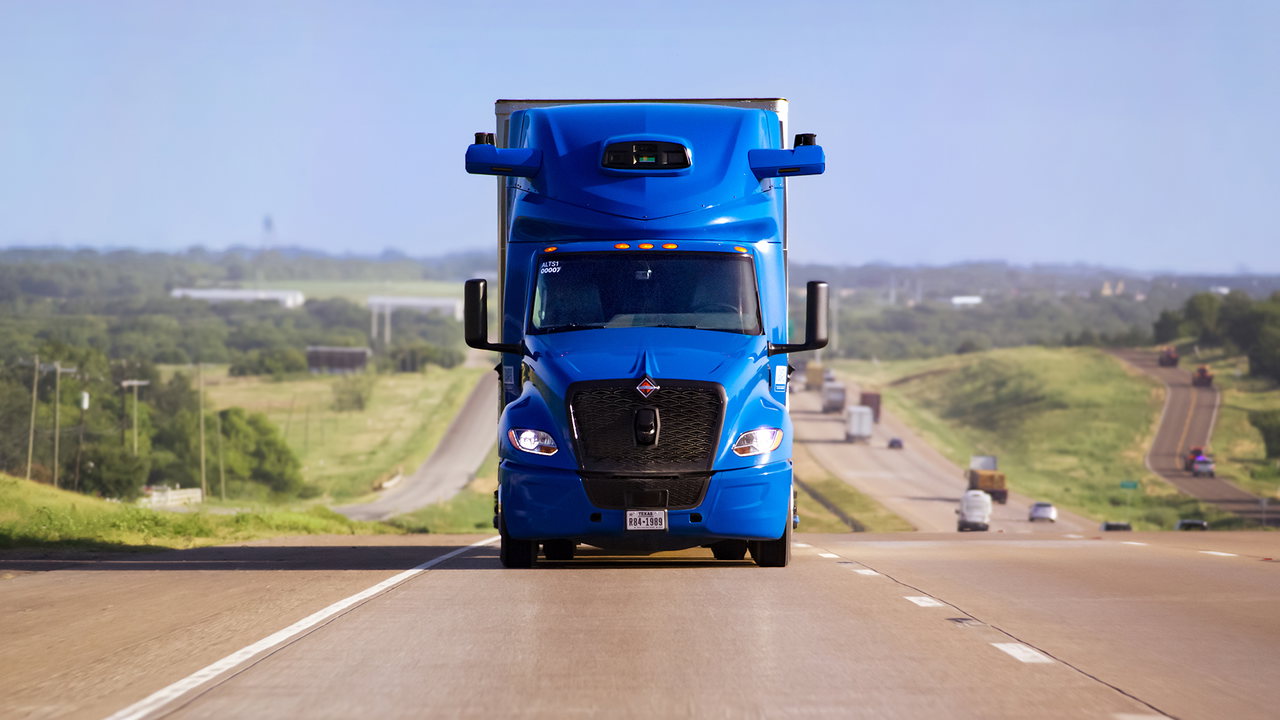
In July 2026, autonomous driving technology developer Aurora unveiled the second generation of its autonomous driverless trucks, featuring ‘Aurora Driver’.
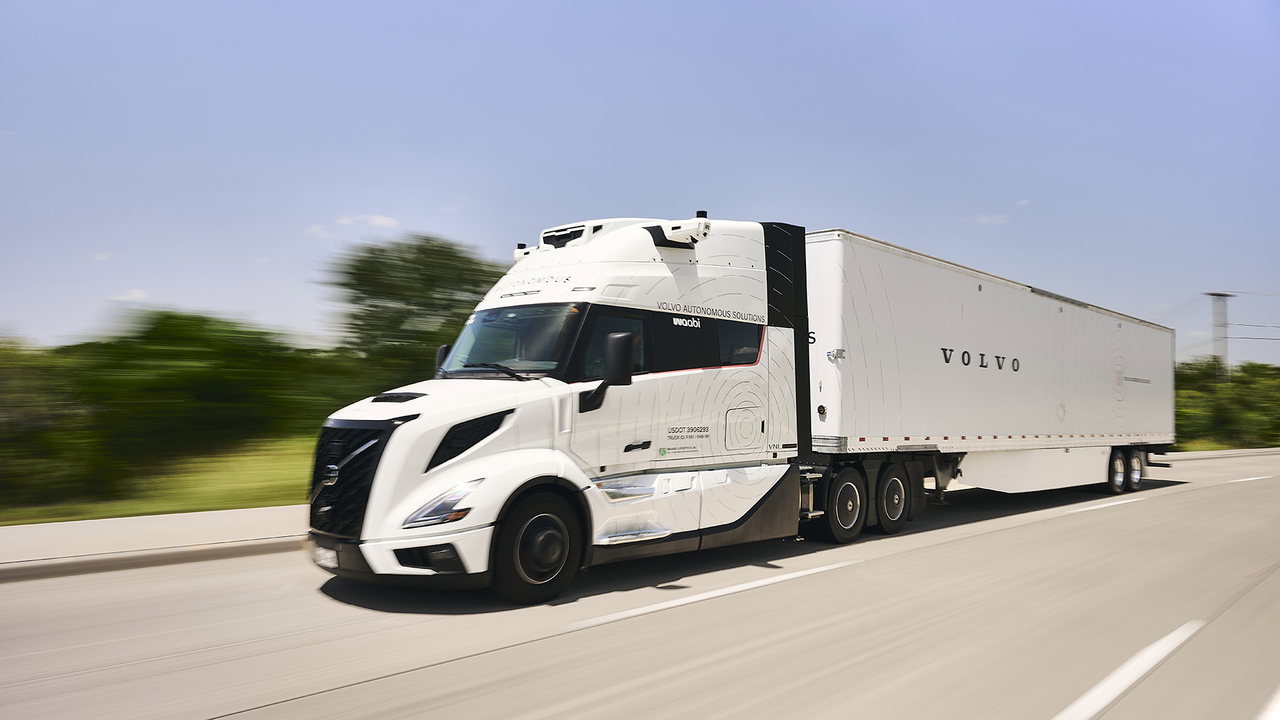
The Canadian tech company Waabi is, amongst other things, involved with Volvo Autonomous Solutions.
In many cases, the timetable is as follows: production-ready in 2027, market roll-out in 2028
In the case of the partnership between Einride and DAF, initial tests and validation are still planned for 2026, with the integration and commissioning of Einride’s autonomous driving technology set to follow in 2027. According to the Dutch company, the initiative builds on the autonomous driving activities of parent company Paccar, which has gained experience through the ‘North American Autonomous Vehicle Platform’ programme for the US brands Kenworth and Peterbilt. This draws attention to North America, where various autonomy specialists announced ‘milestone’ developments almost on a weekly basis throughout 2026.
To start in alphabetical order: Aurora, headquartered in Pittsburgh, Pennsylvania, launched the second generation of its long-haul trucks equipped with the ‘Aurora Driver’ autonomous driving system in July. A total of ten driverless long-haul routes are planned in the ‘Sun Belt’ – the region of the USA south of the 37th parallel, stretching from California to North Carolina on the east coast. The expanded fleet for ‘Driver-as-a-Service’ operations is based on tractor units from the LT series manufactured by Traton subsidiary International. In collaboration with the US-based development and engineering service provider Roush, the aim is to achieve an annual production capacity of 1,000 self-driving Aurora trucks in the near future. Aurora is collaborating with industry leaders across the entire transport sector, including major US logistics companies, the suppliers Aumovio and NVIDIA, and the manufacturers Paccar, Toyota and Volvo.
Speaking of Volvo, the Swedish firm also expects autonomous driving to provide a significant boost to growth; through its subsidiary Volvo Autonomous Solutions (V.A.S.), it is expanding its autonomous transport network in the US and is collaborating with, amongst others, DSV, one of the world’s largest transport and logistics companies. In developing autonomous trucks based on the US-spec Volvo VNL cab-over-engine model, V.A.S. is relying not only on Aurora Driver but also on the Canadian autonomous driving technology developer Waabi. The latter also serves US customers, particularly in the state of Texas, through whose border town of Laredo around 40 per cent of freight traffic between the US and Mexico passes, resulting in a high volume of transport traffic to be managed.
Kodiak AI also believes it is on track to launch a commercial service for driverless long-haul transport by the end of 2026. The Californian developer has recently expanded its areas of application beyond long-haul transport in Texas to include oilfield logistics (using autonomous heavy-duty truck-trailer combinations with up to three trailers and a gross weight of over 120 tonnes) and has launched its first pilot project in autonomous timber transport, including on unpaved forest tracks. One of its development partners is Bosch: the collaboration focuses on building a production-ready autonomous platform that integrates the hardware, firmware and software interfaces required for the deployment of the ‘Kodiak Driver’.
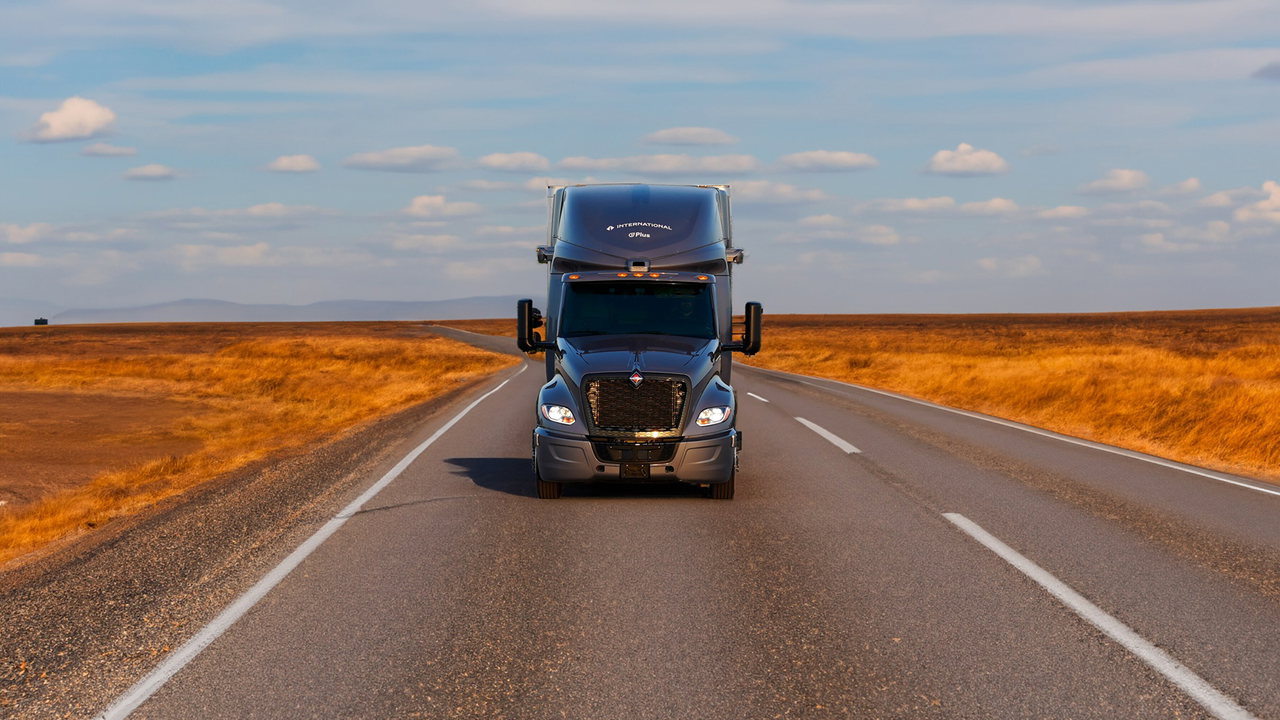
Traton selected PlusAI’s SuperDriver as a Level 4-capable platform back in 2024 and is now strengthening its partnership with the company.
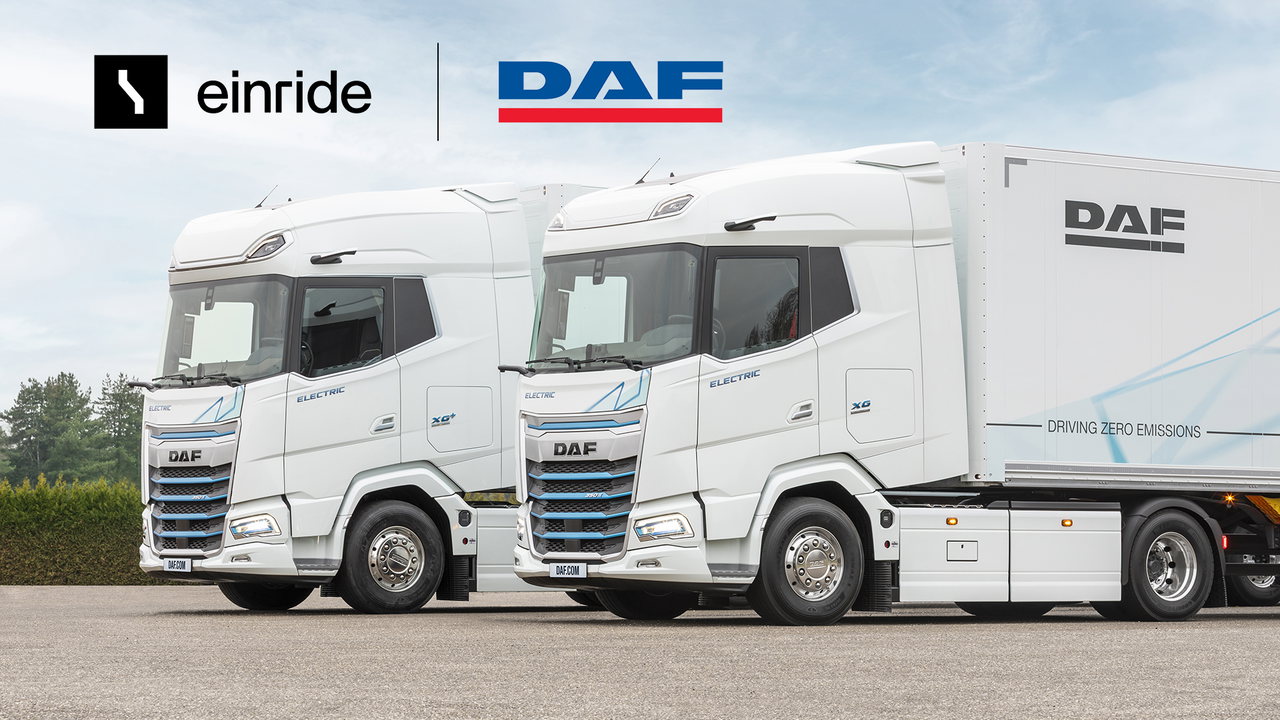
DAF plans to develop Level 4 autonomous electric trucks in collaboration with the Swedish specialist Einride.
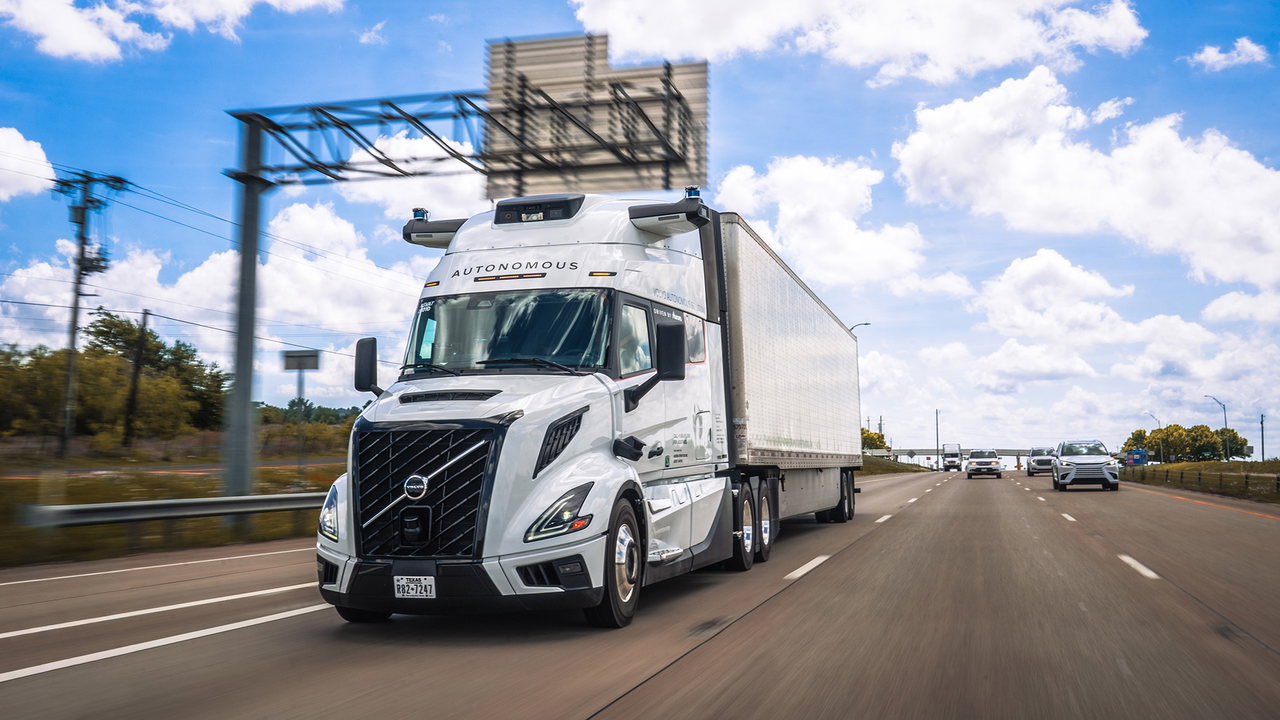
Through its Volvo Autonomous Solutions division, the Swedish company is expanding its autonomous transport network in the US.
Several manufacturers are collaborating with PlusAI
In March, PlusAI released its SuperDrive 6.0 autonomous driving system, which is also designed for night-time driving and navigating roadworks – areas where there had previously been limitations. According to the company, SuperDrive 6.0 is based on over seven million miles of real-world driving data from the US (primarily Texas), Europe and Asia. With this new generation, PlusAI aims to move closer to its goal of achieving scalable, fully driverless commercial operations using factory-built trucks by as early as 2027.
PlusAI is headquartered in Silicon Valley and has further offices in the US and Europe. The Californian company works with Bosch, Goodyear, Iveco, Hyundai, NVIDIA and Traton (with its brands International, MAN and Scania), amongst others. Using SuperDrive as a virtual driver, Hyundai is testing the Xcient Fuel Cell truck in autonomous mode, as is Iveco with the S-Way. Iveco began trials in Spain this year, with logistics firm Grupo Sesé and the regional government of Aragón as project partners. The trials are set to run for several years, initially with a safety driver on board. The test route is a freight route operated by Sesé, stretching approximately 300 kilometres between Madrid and Zaragoza.
Traton also intends to pursue autonomous driving with PlusAI: SuperDrive was selected as early as 2024 as a Level 4-capable platform for International, MAN and Scania. As part of the expanded collaboration, Traton announced in early 2026 that it would provide up to $25 million in earmarked R&D funding to accelerate system integration into production vehicles. The focus is on long-haul applications, whilst Scania is also pursuing niche markets such as autonomous mining trucks.
MAN gained further experience in the ATLAS-L4 project (“Level 4 automated transport between logistics centres on motorways”), which ran in Germany from early 2022 to May 2025. MAN provided the vehicle platform, Knorr-Bremse supplied the redundant braking system, LEONI supplied the vehicle electrical system, and Bosch supplied the steering system designed for Level 4 automation. Although the practical trials were still carried out with safety drivers on board, the partners involved – from industry, academia, software development and infrastructure – drew a positive conclusion at the end of the project: practical proof of the technical feasibility of future autonomous series-production trucks had been demonstrated.
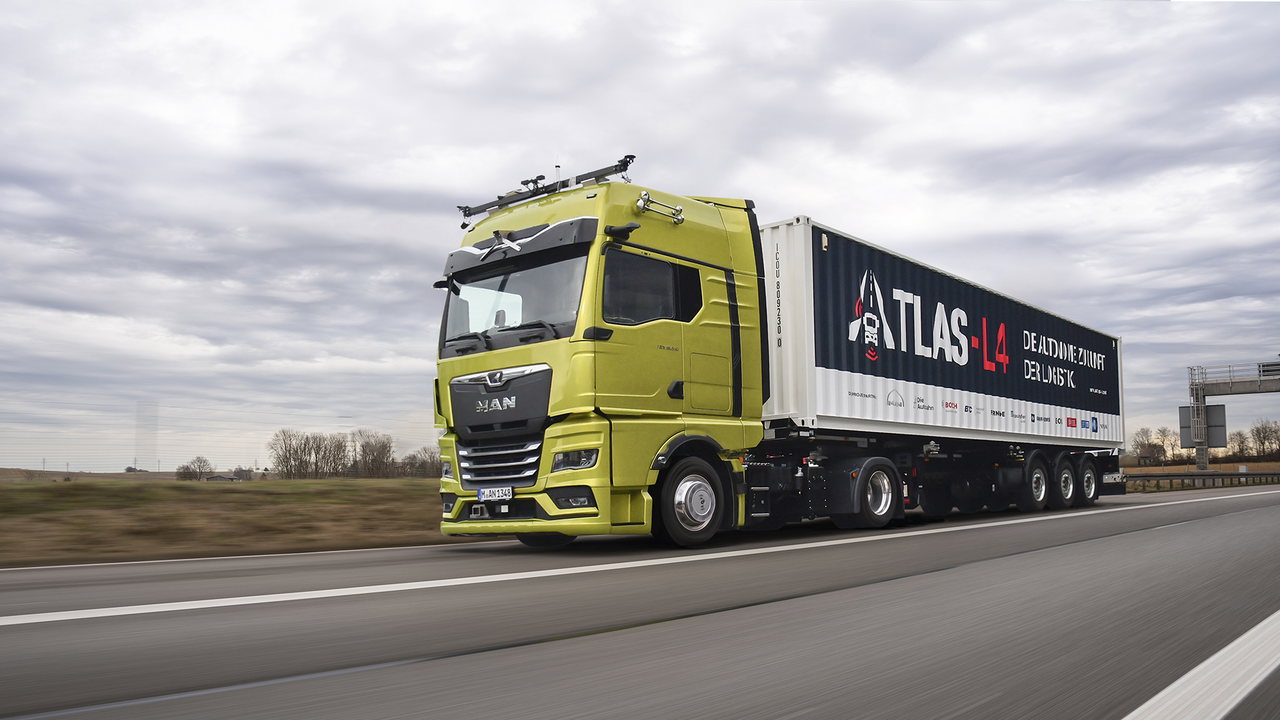
As part of the ATLAS-L4 project, which was completed in May 2025, MAN gained practical experience in the field of autonomous long-haul transport.
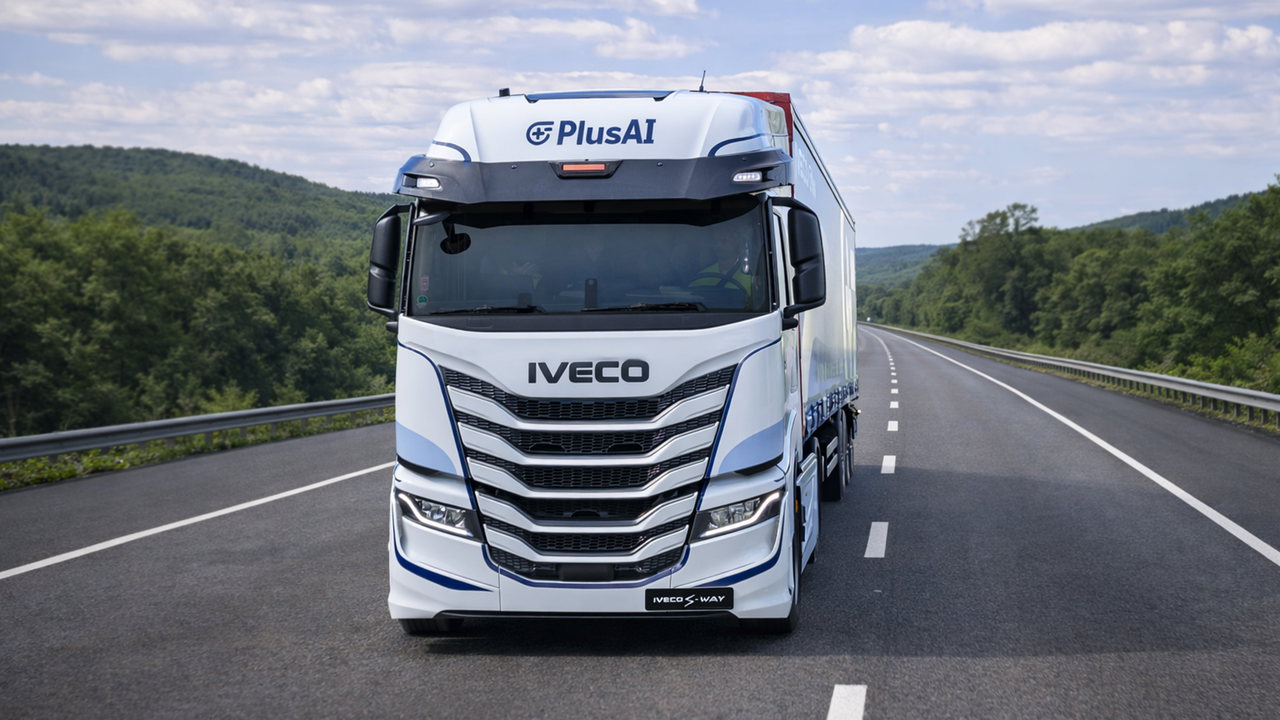
Iveco, in collaboration with Plus AI, has launched a new Level 4 autonomous driving programme in Spain.
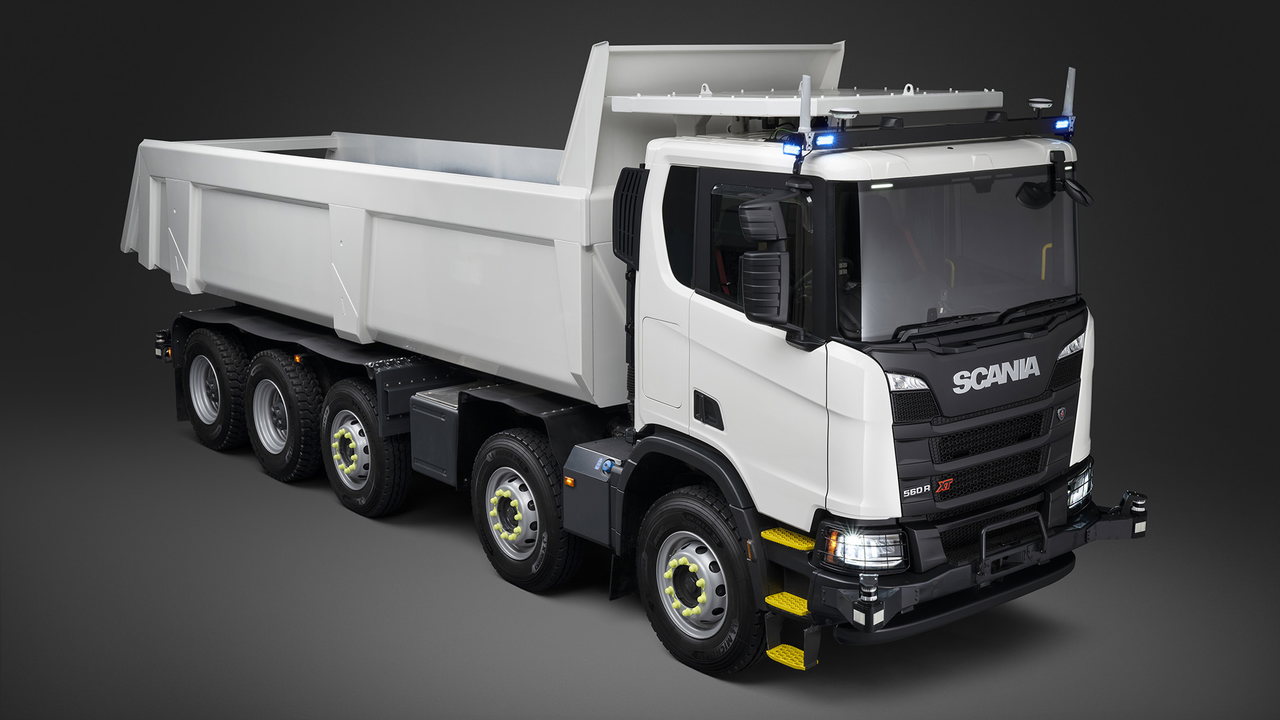
As part of Traton, Scania is also involved in development work with PlusAI, but is also pursuing projects such as autonomous mining trucks.
Gatik is partnering with Isuzu; the Japanese firm has big plans
With the ‘Gatik Driver’ driving system, tailored to delivery trucks and regional transport, Gatik AI became the latest Californian tech company to commence live operations in early 2026. The operational basis consists of freight contracts with retail chains in the states of Texas, Arkansas and Arizona, as well as in the Ontario area of Canada. The vehicle platform used is the Isuzu N-Series, which is quite popular in the US – a close partnership with the Japanese company has been in place since early 2024. According to Gatik, the autonomous delivery trucks operate entirely without drivers or other safety personnel and complete journeys on public roads around the clock. In the medium term, the integration of Gatik’s Level 4 driving systems into Isuzu platforms is set to lead to the series production of autonomous vehicles.
Isuzu, however, is not the only Japanese manufacturer pushing ahead with autonomous driving – indeed, the whole country is leading the way. All four major domestic truck brands are taking part in a project on autonomous driving commissioned by the Japanese government: Isuzu, along with its subsidiary UD Trucks, and its Archion Group sister companies Mitsubishi Fuso and Hino. Following the launch of the first road trials in autumn 2024, extended testing has been underway since the end of October 2025. The focus is on Level 4 autonomous transport, with testing taking place on the Shin-Tomei Motorway, a major east-west link on the Japanese main island of Honshu.
The trials are intended to pave the way for the first autonomous trucks to be deployed in regular service on motorways as early as spring 2027. One reason for the rush is the ever-worsening driver shortage in Japan, coupled with massive overwork amongst current staff: truck drivers are among the most affected by the notorious Japanese phenomenon of ‘karōshi’, or death from overwork.

The Shin-Tōmei Motorway on the Japanese main island of Honshū is the venue for large-scale road trials of autonomous trucks.
Hopes and fears go hand in hand
Autonomous technology could provide real relief here, but as the saying goes: one man’s blessing is another man’s curse. After the California Department of Motor Vehicles (DMV) had made it easier to deploy autonomous trucks in the spring of 2026 and subsequently issued the first licences, the Teamsters California union, with around 250,000 members, filed a lawsuit against the DMV in August. The case centres on procedural errors, a lack of transparency and public safety, but above all on the threat to jobs.
The concern that the slogan ‘a solution to the driver shortage’ could, in the medium to long term, turn into ‘a precursor to driver unemployment’ cannot be dismissed out of hand. The prospect of being able to transport goods autonomously round the clock in the near future, without the need for drivers’ breaks or wages, certainly arouses interest. Ultimately, it is the same as with all possible applications of AI – it depends on what people make of it.